Based on 268 reviews
Empowering Mothers Through Expertise and Care
Founded in Australia, Pregnancy Mom and Baby is dedicated to supporting mothers and caregivers. Our goal is to provide reliable information and guidance throughout pregnancy and early motherhood.
Our team combines professional expertise with a compassionate approach, ensuring that every mother feels informed and empowered. Join our community for ongoing support and valuable resources at every stage.
Essential Maternal and Infant Support
Ready to Begin Your Journey?
Connect with us for personalized guidance and support tailored to your family’s needs.
Latest Articles
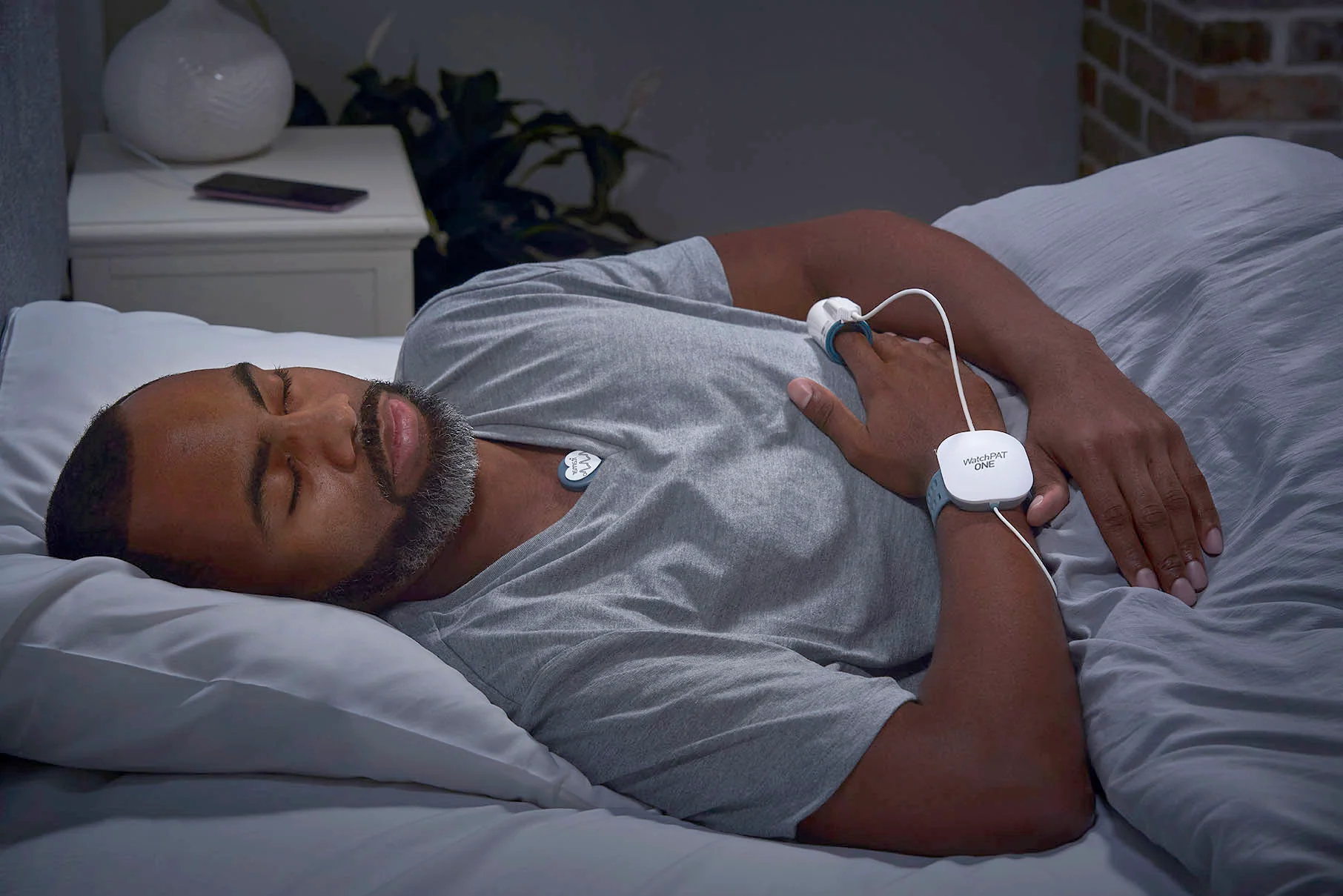
What Is a Sleep Study Test and Do You Really Need One?
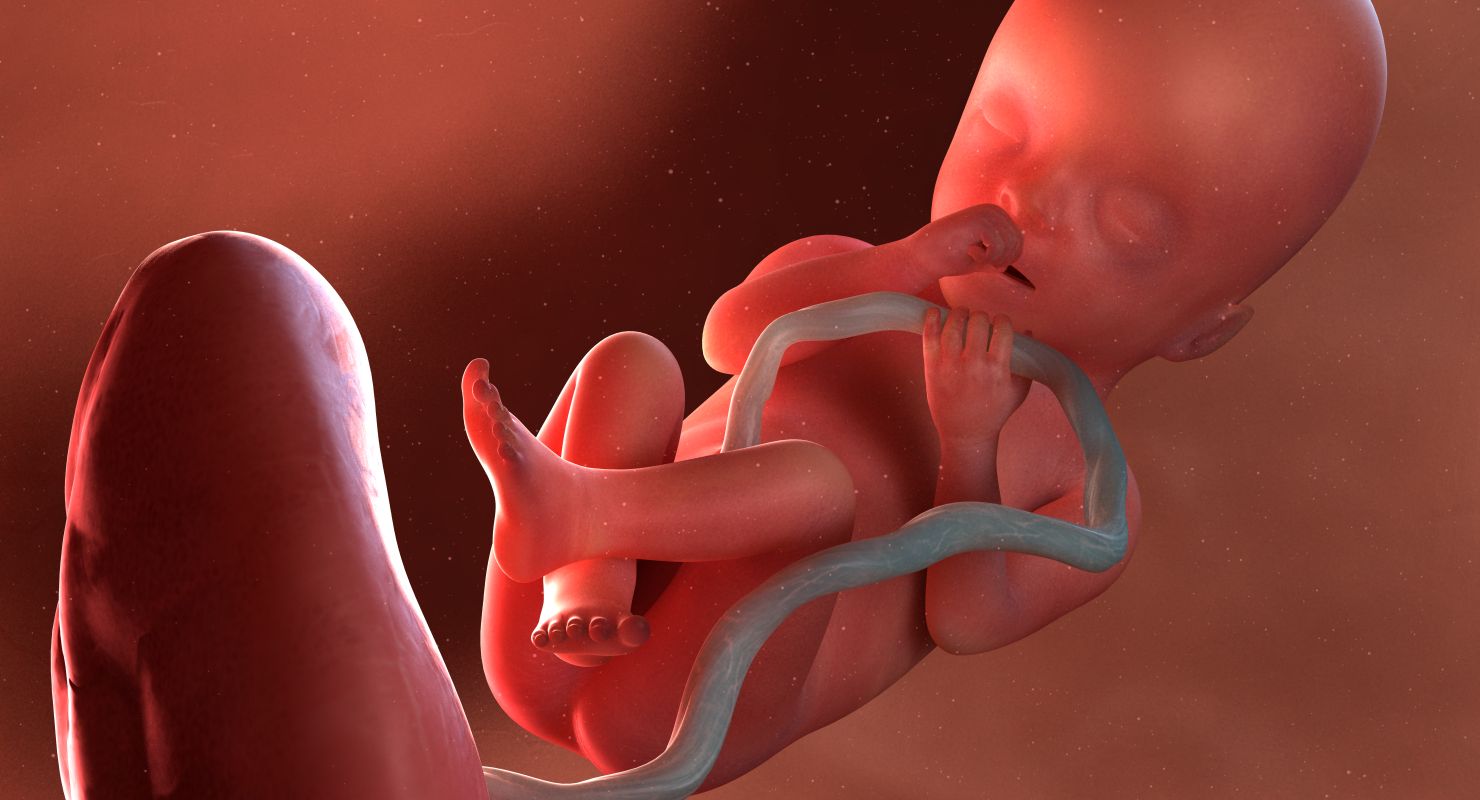
What Does A Fetus Look Like at 20 Weeks?
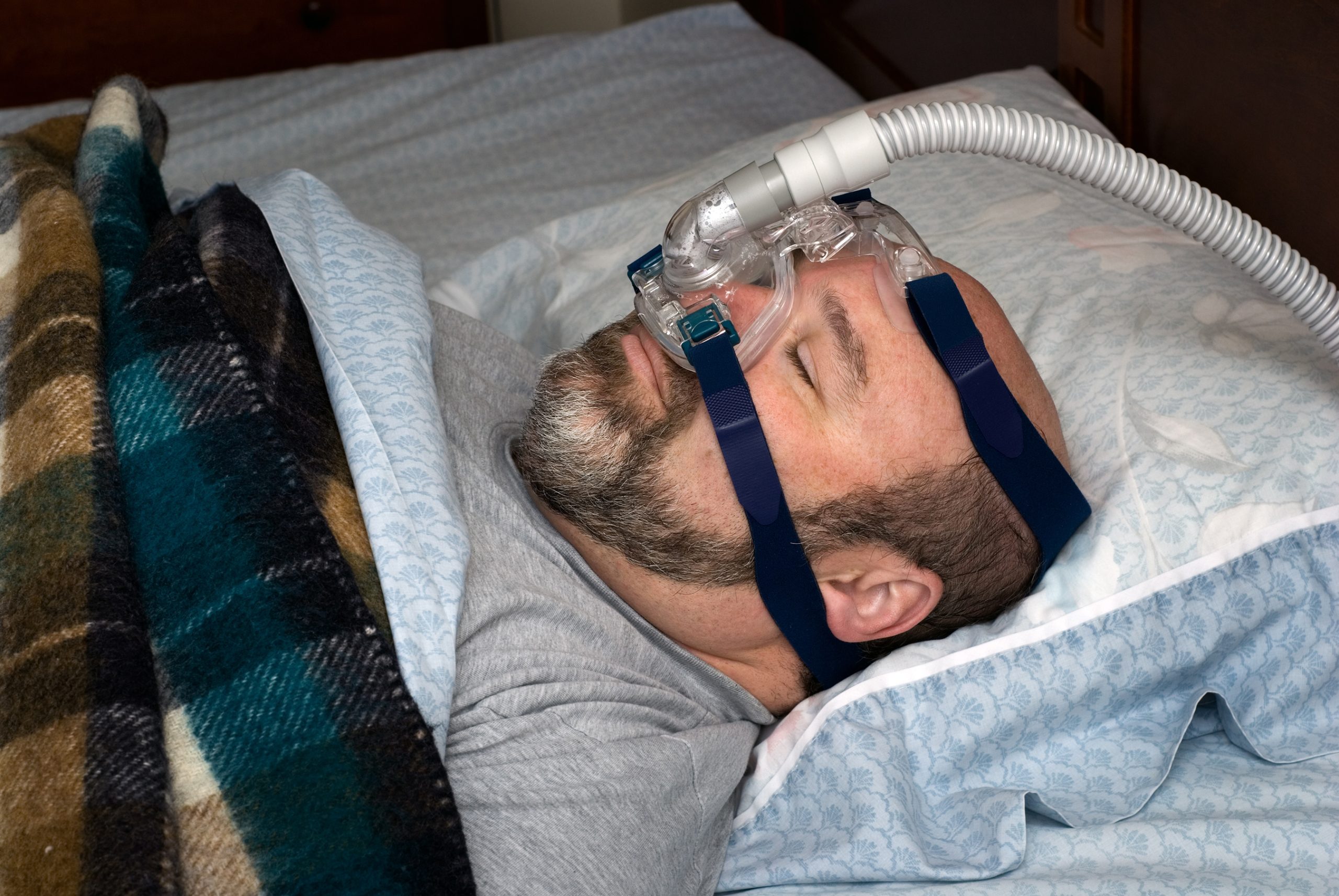
Ultimate Guide to the EverFlo Oxygen Concentrator in Australia: Reviews, Specs, and Sydney Availability
The Role of CPAP Machines in Managing Chronic Fatigue Syndrome
Sleep Apnea Explained: Why You’re Still Tired After a Full Night’s Sleep
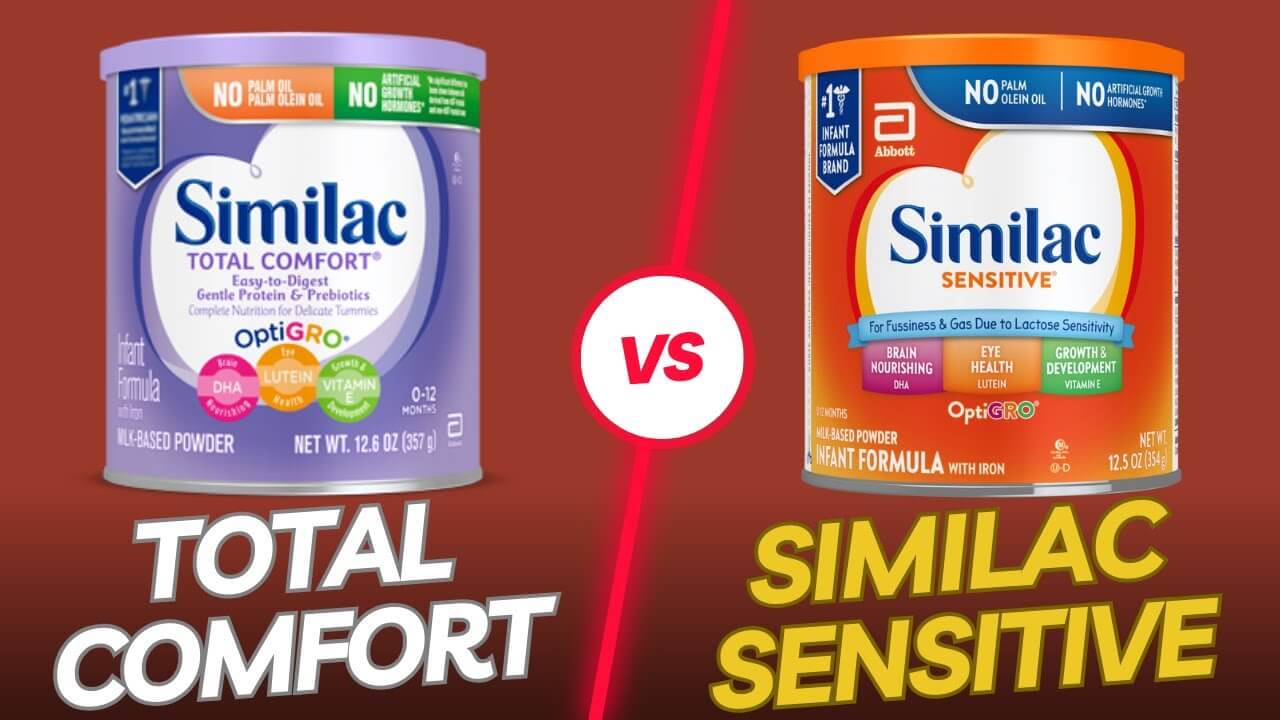
Similac Sensitive vs Total Comfort: Which is better in 2022?
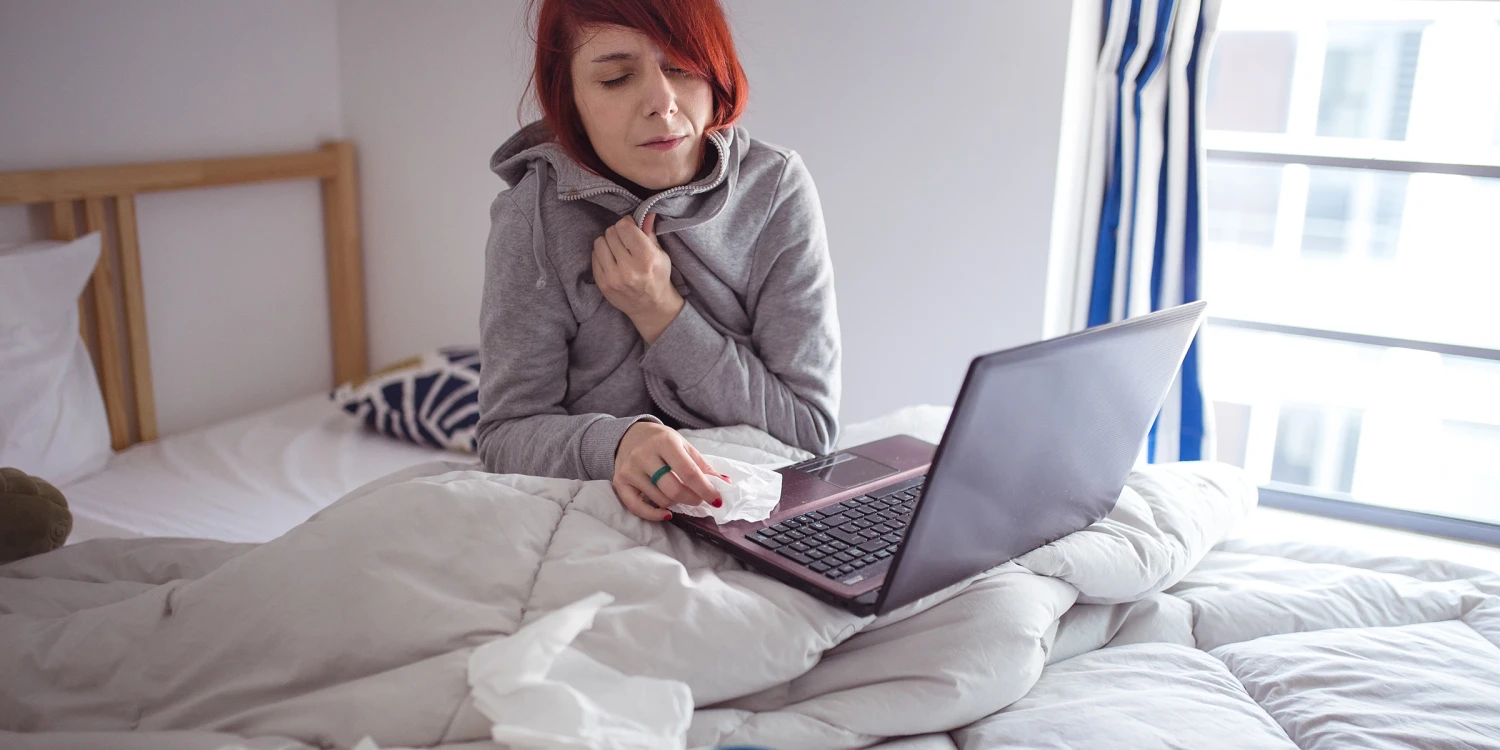
Melbourne Sleep Testing: Early Signs You Shouldn’t Ignore

Is the Aerobika Safe for Kids? OPEP for Cystic Fibrosis
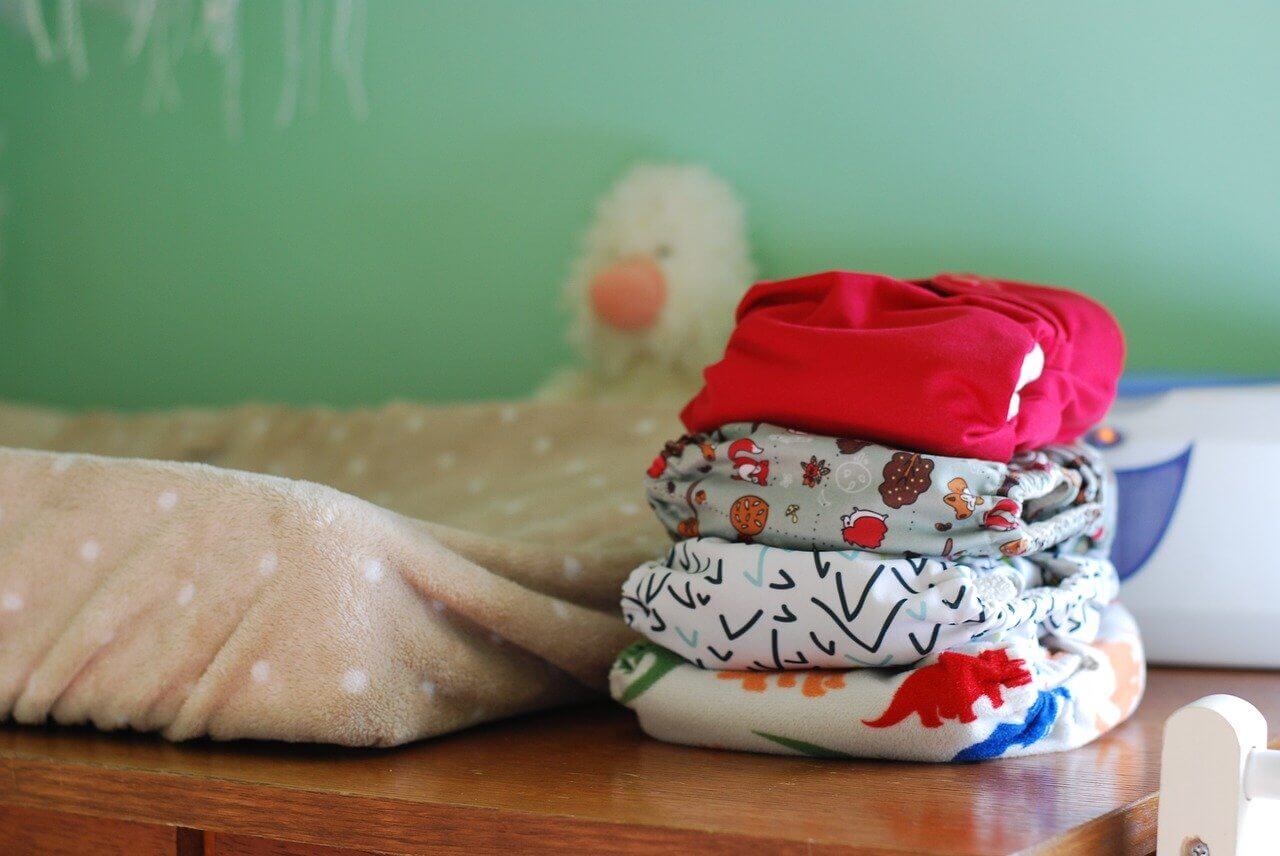
How often to change baby clothes?
What Moms Say
Pregnancy Mom and Baby has been a lifesaver for me during my pregnancy! The tips and advice are invaluable.

Sarah Johnson
As a first-time dad, I found the articles on baby care incredibly helpful. Highly recommend to any new parents!

Michael Smith
The support and resources provided here made my transition into motherhood so much smoother. I’m truly grateful!

David Brown